Another #$%@ing article about AI
Exploring generative AI's ethical landscape, advocating for rights, creator compensation, and a balanced, humane technological future.
AIPHILOSOPHYECONOMICSDESIGNCOMPUTER SCIENCE
Jared Lukes
1/12/20242 min read
The Complex Landscape of Generative AI Rights
The issue of RIGHTS in generative AI is a nuanced battlefield with multifaceted challenges. It's essential to untangle this complexity for responsible progress.
Legal Challenges in AI Development
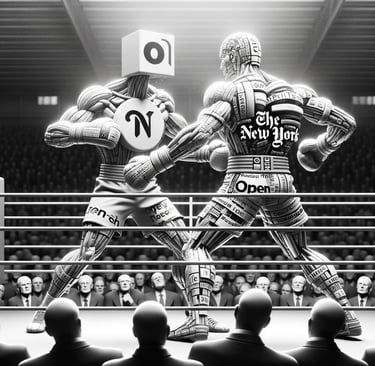
OpenAI faces legal hurdles with its data usage, including a high-profile lawsuit from the New York Times, alongside broader debates over scraping sites like Wikipedia (which can hardly self-fund) and the use of artists' styles without consent. The impact of opting out raises significant concerns about the integrity of AI models. We also don't want an AI that reflects the prejudices of a much earlier era because it's only trained on public-domain material (95+ years old). We need to find the balance.
Sector-Specific Reactions to AI
Different sectors respond uniquely to AI. Coders, for instance, are more open-source-minded, viewing AI as a tool for a safer future. However, even in open sectors, issues like intellectual property rights in AI still emerge. Should AI be allowed to train AI on the entire sum of GitHub? Perhaps, when rights declarations are obeyed!
The Misuse of AI Technology
AI's potential for harm is evident. The use of AI coding tools accelerates and gives access to every mischief maker with a terminal. This underscores the need for cautious advancement. We live in a world where you might sign up for electrical service at your new apartment only to find you paid a scammer a $300 deposit. When tools can create real-to-life mirages of entities we need to trust, it's dangerous for our future.
The Creator's Dilemma: Intellectual Property vs. AI Benefits
As an artist AND engineer, I feel the tension between protecting intellectual property and embracing AI's benefits. For example, AI-assisted coding is a boon for accessibility, but its use in creative processes like logo design raises deep ethical concerns. How excited would I get if I knew my brilliant design friends were being paid when their works were called upon to inform the output of my new creations? Very!
The Potential of a Paid AI Model
A paid AI model is not only feasible but necessary. It could ensure fair compensation for creators and lead to a more inclusive AI ecosystem. What it takes is for us to demand it, to wait for it if necessary. Don't get me wrong, as someone who never learned keyboarding, I can get so much further, faster with tools like this around to help. But even I would shelve them temporarily for a more equitable model.
Ethics and Compensation in AI: A Vision for the Future
The original authors' involvement in payment models is crucial for a just AI future. We simply have to insist on it, and that's problematic due to the complexities of game theory and competition. We won't stop developing AI because we know other countries won't either. We won't stop using OpenAI because we assume our competitors will keep using it.
Conclusion: A Hopeful, Humanitarian Future with AI
As we navigate the AI landscape, let's consider the long-term implications of our choices. The future of AI should be advanced, just, and humane.
Social
Subscribe to my blog "Fragile Future."